Pages

Showing posts with label Others. Show all posts

Tuesday, November 30, 2010

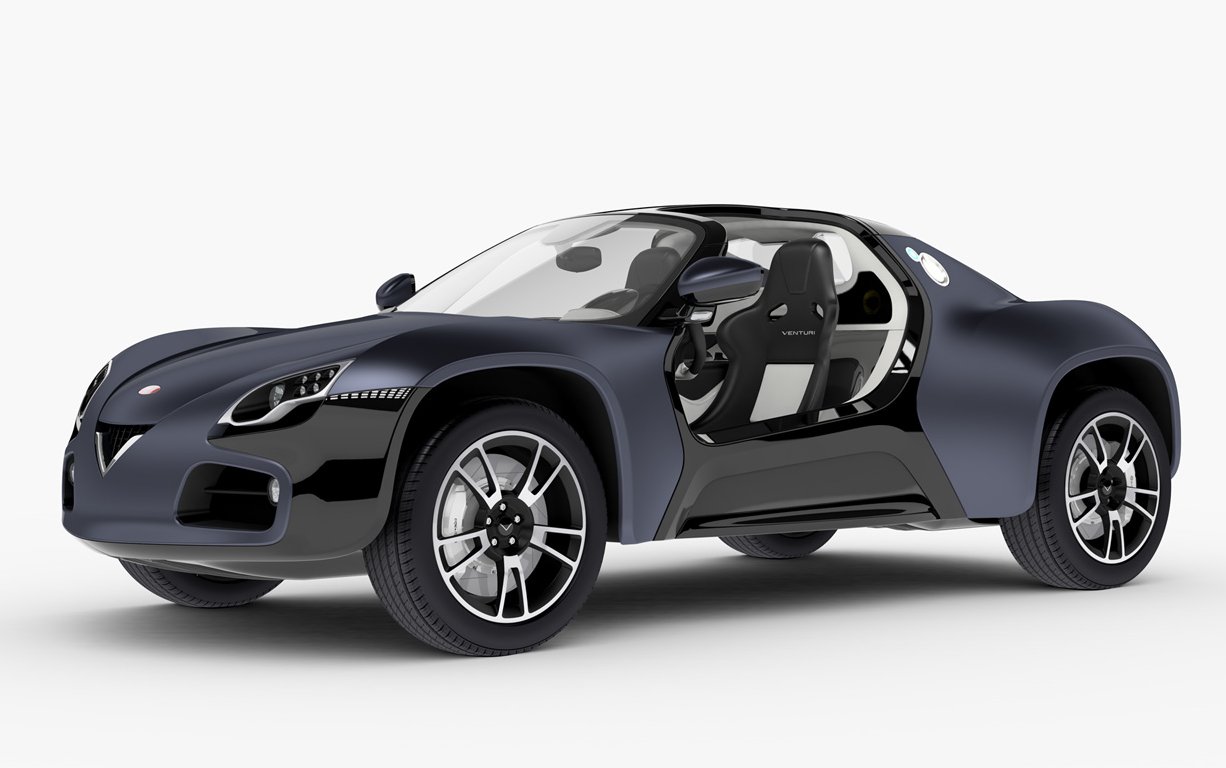
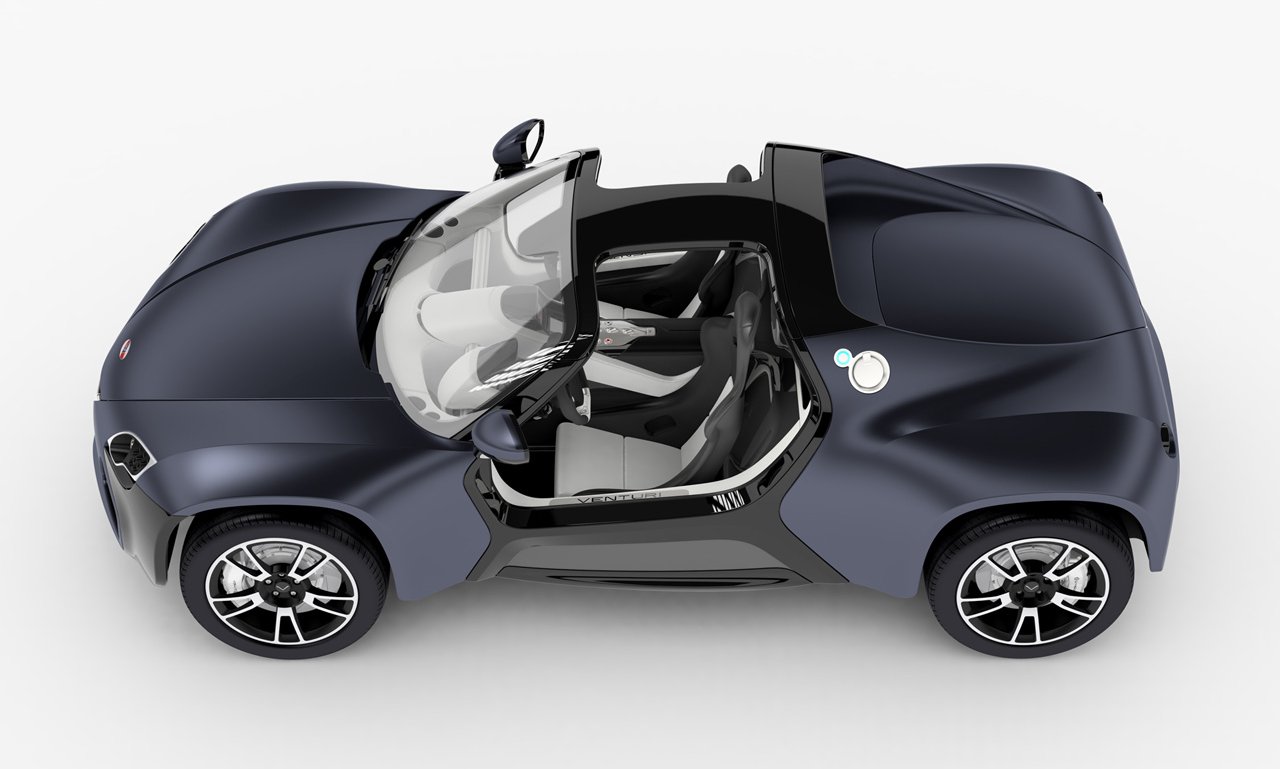
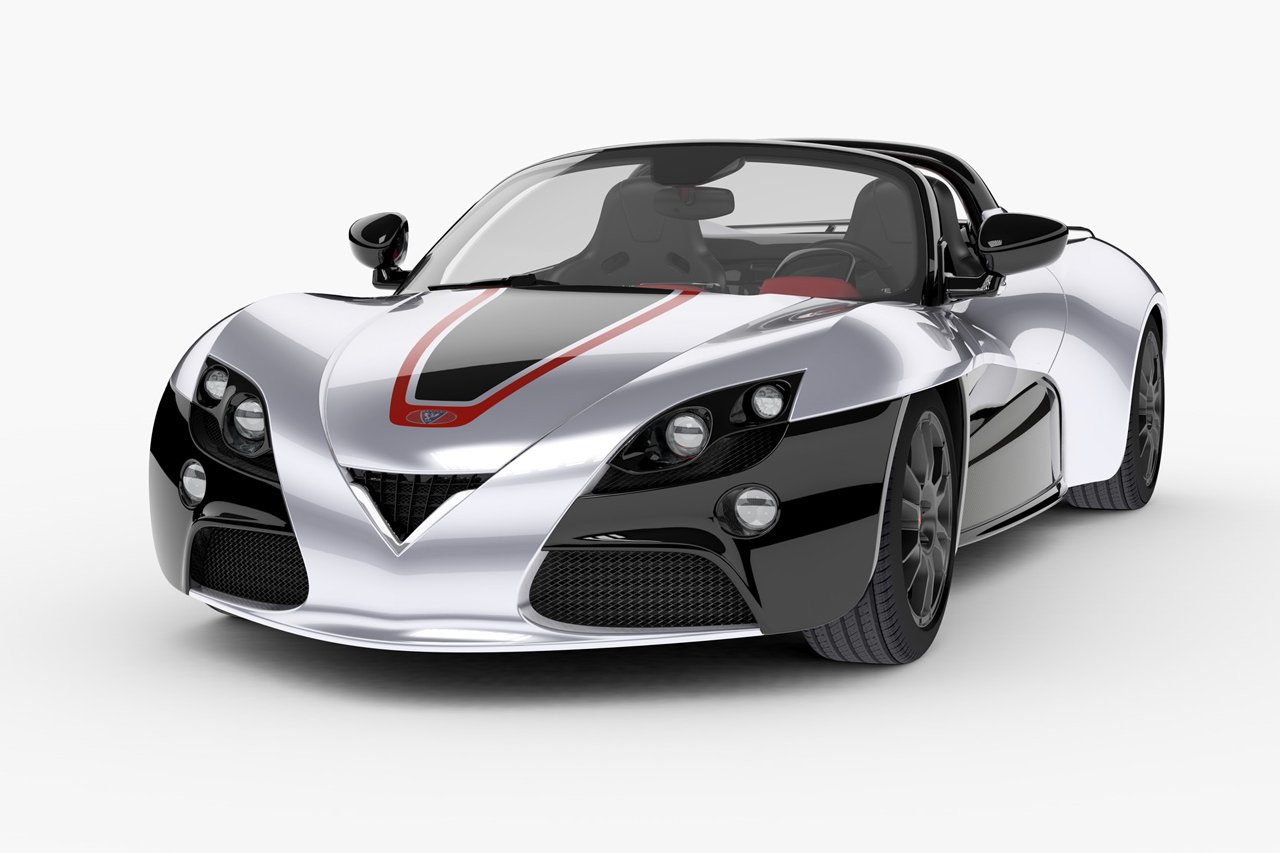
2011 Venturi Fetish

French automobile manufacturer Venturi has just reached newer heights for fully-electric cars. Being the inventor of the first modern electric car, the company presents the new iteration of the series with the new Venturi Fetish. It is an 'electroshock' for the electric car industry. And with Venturi's years of specialization in electric propulsion and high-performance vehicles, the new Venturi Fetish is sure to be at par with gas-powered sports cars.

This electric vehicle uses VM300, which is a new generation and the most advanced of electric motors. It is capable of producing 300 horsepower (with 220 kilowatts) and 380 Nm of torque. The Venturi also has a 54 kWh LIV-10 Lithium Ion Polymer battery pack, which can be charged using a standard electrical socket or fast charge terminals. Its range is up to 340km. The Venturi can match the performance of sports cars with its race-oriented chassis, truly a feat to be celebrated.


2011 Venturi America

Is it possible for an electric car to achieve the performance of a gas-powered sports car? French automobile manufacturer Venturi asked the same question and came up with an answer – yes, a 'green sports car' can be done. The company presents its newest achievement, the new Venturi America. Venturi has thrown in this vehicle its years of specialization in electric propulsion, high performance and state-of-the-art car technologies.

The Venturi America uses a new generation of electric motor, called the VM300, which is capable of producing 300 horsepower (with 220 kilowatts) and 380 Nm of torque. Apparently, it is the most advanced electric motor ever made for a car. To add to the motor power, Venturi adds a new 54 kWh LIV-10 Lithium Ion Polymer battery pack; and incredibly, it can be recharged using fast charge terminals or even a standard electrical socket. The Venturi America has a range of 300 km (or about 185 miles).


Monday, September 27, 2010

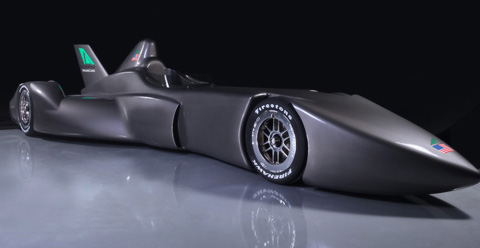
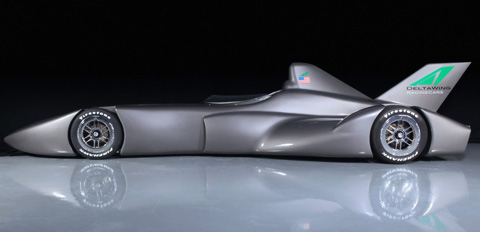
2010 DeltaWing IndyCar Concept

The design of the 2010 Deltawing IndyCar Concept is a departure from traditional vehicles we see every day. DeltaWing LLC Indianapolis introduced this concept as a test-bed for technological advancement in the automotive industry, directed primarily at a younger group of enthusiasts.

The form of the vehicle is unlike anything we have seen on the road to date. The design follows an ultra slim front track contour, meant to reduce weight and diminish aerodynamic drag. Fairings for the Firestone Firehawk tires avert wheel interlocking. Airflow remains undisturbed even during high velocity laps on the track, producing efficient downforce with negligible wake to guarantee the smallest loss in aerodynamic potential. This allows the DeltaWing Indycar Concept to overtake another vehicle on track, if ever the driver finds himself trailing behind. The inverted aerofoil or spoiler is substituted with a prominent tail fin to increase YAW stability and eliminate drag while speeding through straight-aways on the racetrack. The vehicle is a single-seater, true to the appeal of racecars on the track.

The prototype car is planned to rely on a 2.0 liter 4 cylinder turbocharged engine. This is estimated to produce around 300 horsepower at 7000 rpm. True to racecar tradition, the car will use a 6-speed oval transmission with paddle shift controls, or a 5-speed transmission with reverse. The focus of the concept is primarily on eliminating aerodynamic drag and epitomizing lighter mass and weight. The anticipated weight of the vehicle will be 1030 lbs including the driver. The car’s weight distribution is directed more toward the rear, with more than 70% of the mass carried by the hefty rear tires. This means that 80% of the downforce comes from the rear of the car, augmenting inline traction while the car accelerates using its rear tires. It is said that DeltaWing LLC will release the prototype by August 2010.

2010 Citroen Metropolis Concept

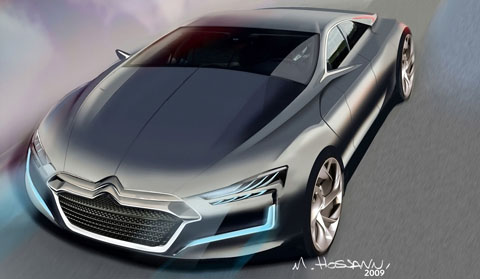
French automotive company Citroen has just revealed what it calls Metropolis Concept. A luxury sedan, a sleek concept car, the 2010 Citroen Metropolis Concept is a tribute to China's rapid development and economic vitality. This concept car will show during the Shanghai, China World Fair, running from May to October this year.

The very sleek 2010 Citroen Metropolis Concept has an impressive dimension and svelte curves; its body color, called 'Pearl Silk', varies under different lighting conditions. Designing is an imposing blend of tight edges and smooth wide surfaces. As for the concept car's engine, it is equipped with a hybrid drive-train; it uses a 2.0L V6 petrol engine with a 7-speed and dual-clutch electronic gearbox. At low speed, the 2010 Citroen Metropolis Concept runs with its electric motor from 55bhp up to 95bhp. On steady speeds, the petrol engine will run on 272bhp and 375Nm of torque; the electric and petrol motors can be used both to offer optimum power output.

Friday, August 27, 2010

2010 DeltaWing IndyCar Concept

The design of the 2010 Deltawing IndyCar Concept is a departure from traditional vehicles we see every day. DeltaWing LLC Indianapolis introduced this concept as a test-bed for technological advancement in the automotive industry, directed primarily at a younger group of enthusiasts.

The form of the vehicle is unlike anything we have seen on the road to date. The design follows an ultra slim front track contour, meant to reduce weight and diminish aerodynamic drag. Fairings for the Firestone Firehawk tires avert wheel interlocking. Airflow remains undisturbed even during high velocity laps on the track, producing efficient downforce with negligible wake to guarantee the smallest loss in aerodynamic potential. This allows the DeltaWing Indycar Concept to overtake another vehicle on track, if ever the driver finds himself trailing behind. The inverted aerofoil or spoiler is substituted with a prominent tail fin to increase YAW stability and eliminate drag while speeding through straight-aways on the racetrack. The vehicle is a single-seater, true to the appeal of racecars on the track.

The prototype car is planned to rely on a 2.0 liter 4 cylinder turbocharged engine. This is estimated to produce around 300 horsepower at 7000 rpm. True to racecar tradition, the car will use a 6-speed oval transmission with paddle shift controls, or a 5-speed transmission with reverse. The focus of the concept is primarily on eliminating aerodynamic drag and epitomizing lighter mass and weight. The anticipated weight of the vehicle will be 1030 lbs including the driver. The car’s weight distribution is directed more toward the rear, with more than 70% of the mass carried by the hefty rear tires. This means that 80% of the downforce comes from the rear of the car, augmenting inline traction while the car accelerates using its rear tires. It is said that DeltaWing LLC will release the prototype by August 2010.

Thursday, August 19, 2010

2010 GTA Spano

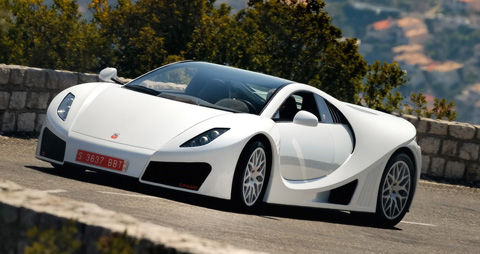
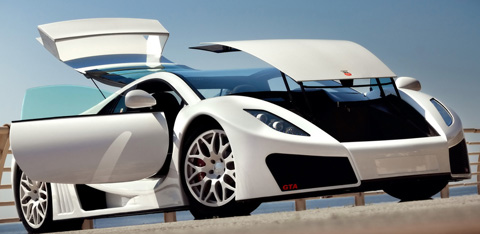
The 2010 GTA Spano features a glass roof. This innovative feature is complimented by a unique lighting and opaqueness system. The chassis of the vehicle is made from a combination of carbon fiber, titanium and Kevlar. The car’s composition and general form is inspired by aeronautic technology. It is equipped with a rear mounted 8-liter supercharged V10 engine producing an outrageous 780 horsepower, kept in check using a six speed sequential manual transmission or a semi-automatic paddle shift transmission similar to those used in F1 racecars. These features make the GTA Spano the fastest, road legal automobile in Spain, since it can accelerate from 0 to 100 Km/h in just 2.9 seconds, achieving a top speed of over 350 Km/h. An AP Racing Carbon-Ceramic braking system is equipped on the vehicle. This includes a forced ventilation system, 6 piston brake calipers and an ABS system.

GTA Motors wanted a concept that emulated competitiveness, uniqueness and sophistication. They wanted to design a car that has not been seen to date. Their aim to produce such a revolutionary automobile certainly paid off.

Examining the side of the car, one can see that the doors fit flawlessly into the air intakes. Also, the doors do not have handles and access into the vehicle is achieved by pressing the GTA logo. This layout assists in aerodynamics and lowers the temperature of certain parts of the car such as power steering, brakes and oil coolers to name a few.

The front of the car dictates a strong and smooth image, observed from the huge side-mounted air intakes and its rounded hood. The rear of the car is characterized primarily with the use of glass, which improves air flow under the car and cools down the engine. There are two additional air intakes at the rear and the vehicle uses a twin muffler system, highlighting the vehicle’s racing capabilities. A set of four custom-made, angled rims are mounted around the car; 19 inches at the front and 20 inches at the rear using Pirelli P Zero tires. Only 99 units of this supercar will be produced and exclusively distributed.

2010 Hulme CanAm Bear 1 Test Car

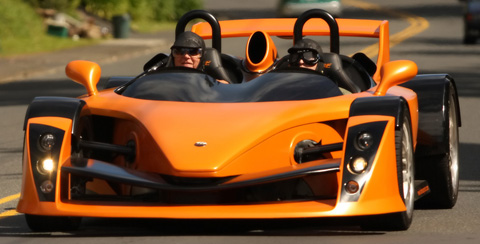
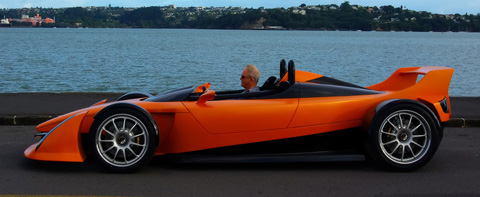
The Hulme CanAm is named after Denny Hulme, New Zealand’s racing prodigy and F1 World Champion. It is the only road-legal supercar to carry the name of an F1 Champion, and it doesn’t disappoint. The vehicle is said to achieve speeds of above 200 mph, and comes in the form of a high-performance mid-engine roadster. The car is intended for use both in open roads and the racetrack, combining raw power, outstanding craftsmanship, extraordinary performance, and is guaranteed to provide any driver with an exhilarating driving experience.

Under the hood of the Hulme CanAm is a 7-liter Chevrolet LS7 V8 Engine, producing a monstrous 600 horsepower balanced out by 600 Nm of torque. Control for this whopping amount of power is accomplished via a close-ratio, six-speed CIMA manual transmission, where paddle or sequential transmission is also an option. Due to the construction of the vehicle, the car weighs less than a ton, and 600 hp for a lightweight car means that the Hulme CanAm can accelerate from 0 to 100Kph in less than three and a half seconds.

Despite the incomparable performance values of the vehicle, the guiding principle maintained by Hulme engineers in designing the car has been to focus on driving enjoyment. Power distribution and aerodynamics maximize the car’s handling on either the road or a racetrack. The Hulme Can Am is developed and hand-crafted by the Hulme technology team, and their design paid off in granting the car a lightweight carbon composite chassis and body, along with racing tuned suspension and braking.

Each Hulme CanAm Bear 1 Test Car costs a deposit of £10,000 for an option to order. An enthusiast would want to take note of the fact that only 20 of these supercars from New Zealand will be put into production. The managing director of Hulme, Jock Freemantle, guarantees that the deposit is fully refundable if the option is not escalated into an order, or if the order for this supercar is not satisfied. Before the car is introduced at the 2011 Goodwood Festival of Speed, a private viewing and test drive will be made available to those who have purchased an option to order the vehicle. If the potential buyer is not satisfied and wants to cancel the option to order, his funds will be immediately refunded.

Most Stolen Cars in America – Top 10 List

There is nothing like the feeling that you get when shopping at the mall or working at your job all day and heading back out to your car just to see that it is no longer there and has been stolen. A car is stolen every 26 seconds in the United States costing Americans millions of dollars. Every year, Insurance companies release their lists of the country’s Top Ten Stolen Cars. These lists give consumers an idea of what cars to not buy if they want to minimize the chance of this happening.

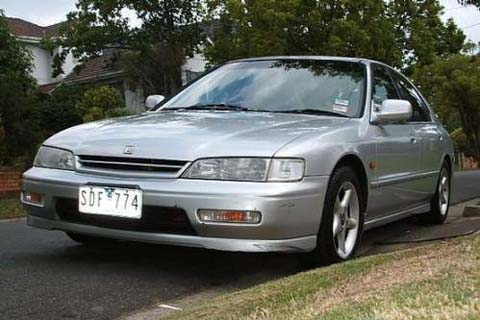
1) 1994 Honda Accord: A popular car with the consumers is also a popular car with the thieves. With this kind of popularity, there is a high demand for parts to keep them running.
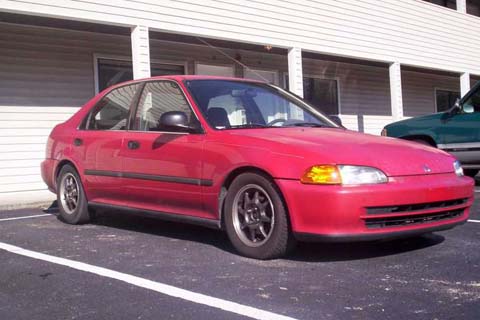
2) 1995 Honda Civic: A very popular car in the 1990s makes the Civic a popular target for thieves. Many people like to by used ones to fix these cars up creating a demand for aftermarket parts.
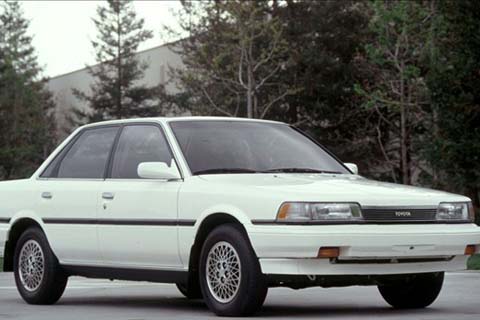
3) 1989 Toyota Camry: Being such a reliable car in the early 90s mean there is a demand for parts keeping thieves busy puts this car on the Top Stolen Car list.
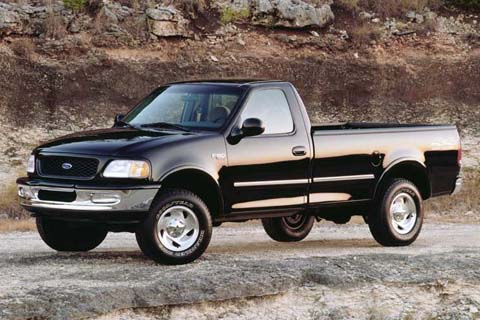
4) 1997 Ford F-150 Pickup: Being one of the most popular trucks on the market puts the Ford F-150 on one of the most popular trucks to be stolen. Many other trucks produced by Ford use many of the same parts giving reason why this is probably so popular.
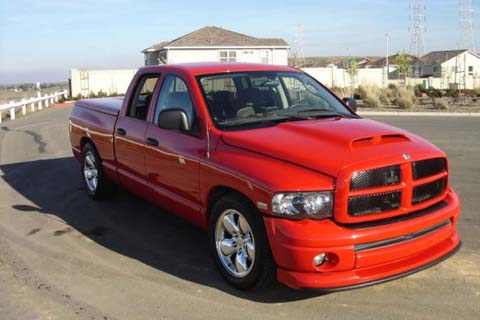
5) 2004 Dodge Ram Pickup: Being the fact that the 2004 Dodge Ram Pickup is a work truck, possibly filled with building supplies or more expensive cargo probably gives thieves incentive to snatch one of these vehicles if to come upon one.
6) 2000 Dodge Caravan: Hard to believe that minivans are actually on this list but they are. The 2000 Dodge Caravan makes it to number 6 on this list probably due to the double sliding doors making the van such a good cargo carrier.

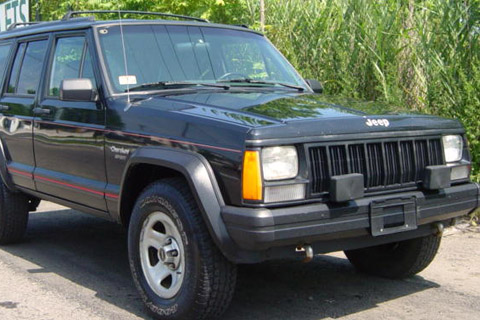
7) 1996 Jeep Cherokee/Grand Cherokee: A classy SUV for the mid-nineties, the 1996 Jeep Cherokee/ Grand Cherokee is a favorite among thieves. Hard to believe with all the problems they had with the drivetrain.
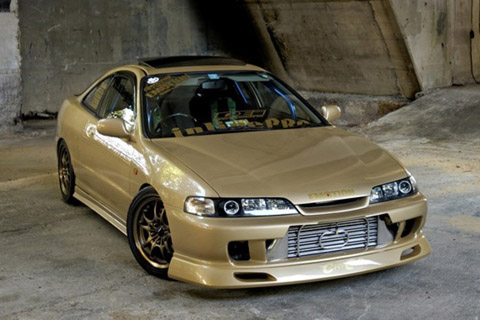
8 ) 1994 Acura Integra: Noted for the popularity of street racers keeps the 1994 Acura Integra on the list for cars most stolen. This quick little car is a favorite for high performance and reactive speed.
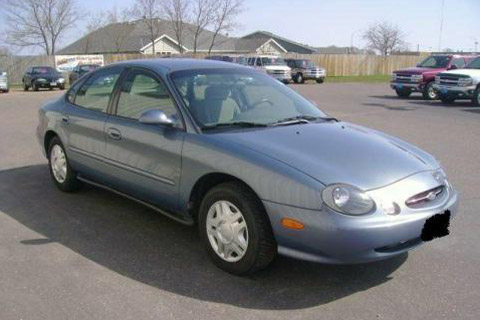
9) 1999 Ford Taurus: The Ford Taurus was a very popular economical car during the late 1990s making parts to currently keep them running in today’s economy also very popular. Because of this, the Ford Taurus is on the Top ten Cars Most Stolen list.
10) 2002 Ford Explorer: A very popular SUV for the early part of the 2000s was the 2002 Ford Explorer. Mixed with the fact that many other Ford vehicles shared many parts put this vehicle on the Top Ten Most Stolen Vehicle list.
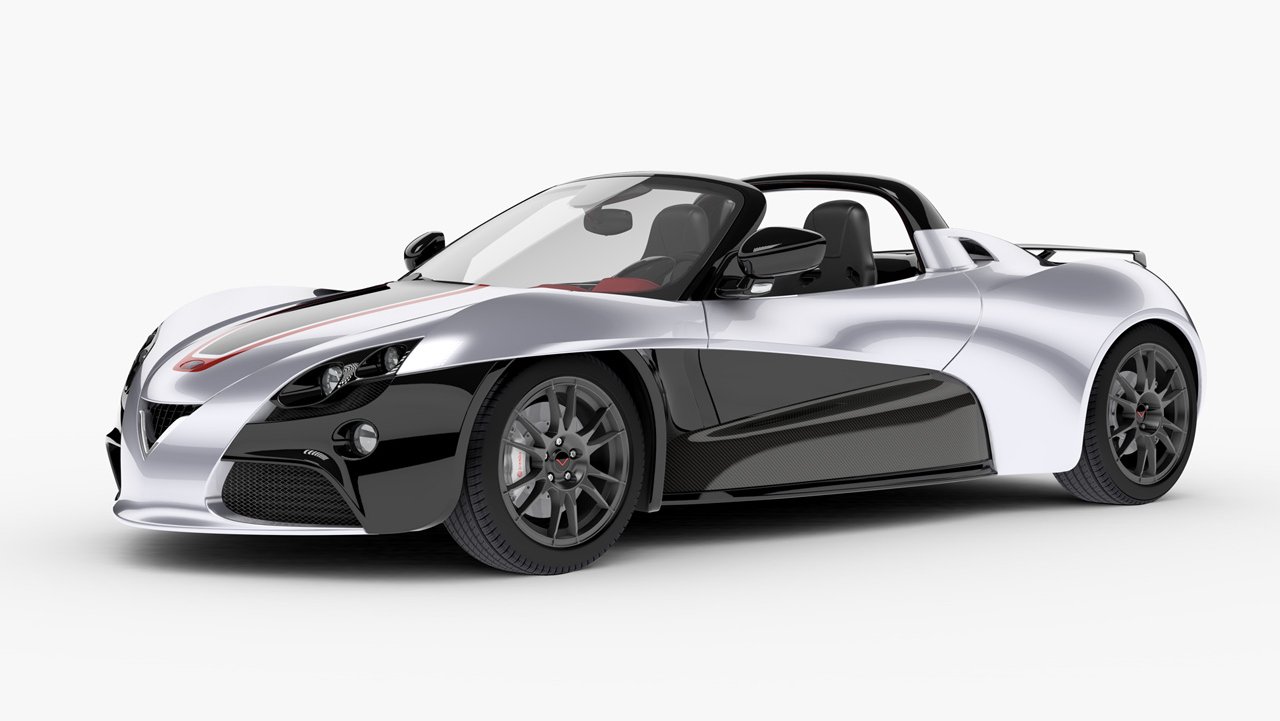
2010 RZ Ultima Concept

The Ultima GTR was introduced a decade ago in the year 2000. It could run up a strip at full speed in below ten seconds. It had the fastest response rates with the quickest acceleration and deceleration from 0 to 100 mph and vice versa. Any production car would trail behind this sort of performance.

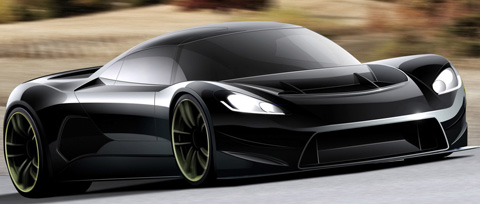
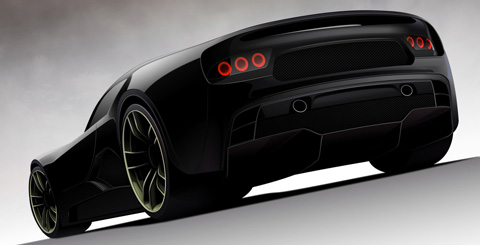
Now, a new concept has been released based on the Ultima GTR. Enthusiasts of the original GTR will appreciate all of its performance re-integrated into a modern, more refined look. The new RZ Ultima concept is still in its design phase, but once put into production it can be the greatest supercar.

The guiding principle in developing the 2010 RZ Ultima GTR is that the chassis and transmission of the original 2000 Ultima GTR would remain unchanged. Racer X Design highly valued the frame of the vehicle, since they believed that the original frame of the GTR epitomized the essential qualities of a supercar: tremendously fast, tasteful, elegant and exclusive. The RZ Ultima GTR ensures supercar quality to enthusiasts and more.


Racer X Design is a company that has developed and assembled a few of the best show cars to date. The company was constantly awarded first place in the XLR-8 live competition, Racer X Design offers a myriad of body detailing services, from developing vehicles for car shows to building full concept cars. Their market includes any individual wanting to modify a vehicle for professional use, or any company seeking to meet its demand for an iconic vehicle to represent them.

Wednesday, May 12, 2010

2010 Local Motors Rally Fighter

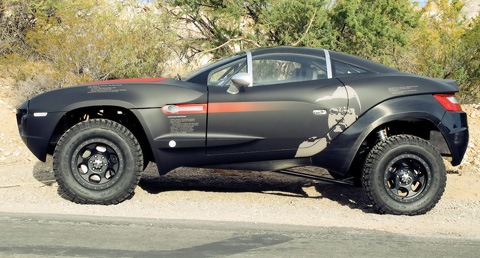
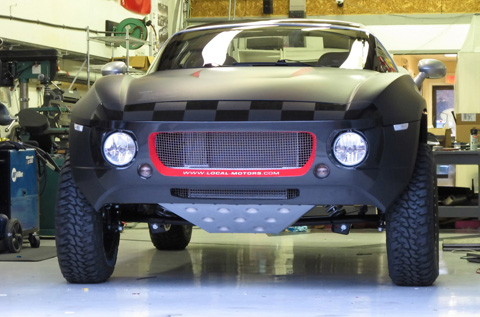
One of the rising American car companies is the Local Motors. This company has indeed created a special rapport with their customers. By asking the aid of their customers in the designing process, they have created wonderful car models. But the first car which made use of the design concept coming from customers is the Rally Fighter.

The Rally Fighter has a 3 liter BMW engine. It has twin turbocharger aspirations and a power of 265 hp. This off-road racer weighs only 3200 pounds. It is already very light for this type of vehicle. In addition, its lightweight contributes to the overall performance of the car. Rally Fighter is a four seater vehicle which allows ride-height adjustment. This provides more versatility in terms of the road conditions. Drivers may choose to make the necessary adjustments for city driving and off-road driving.

The car’s design was actually made by a group of car enthusiasts headed by Sangho Kim. Although it was specifically made for driving in the deserts of southwest America, it is also ideal for city driving. As of the moment, Local Motors is inviting all interested car enthusiasts to share their design ideas. Moreover, they allow buyers to personalize their own Rally Fighter by customizing the car skin.

2010 HTT Plethore LC-750

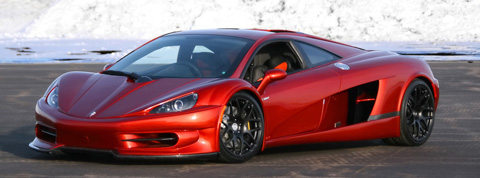
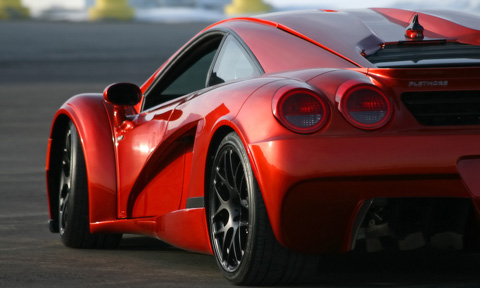
The HTT Plethore LC-750 is probably one of the most unique sports cars ever produced. One of its important features is its central driving position. The HTT Plethore LC-750 is a three seater sports car with one seat in the front row and two seats in the back row. The driver’s seat is at the front center while the two seats at the back are for passengers. Not only does it serve as an elegant design, this type of driving position simulates a one seater race car- giving the person a unique driving experience. Also, the central driving position gives the car more stability as it runs at a high speed.

Another feature this model boasts of is its spaciousness. It has a height of 114 cm and a width of 226 cm. Allowing both driver and passenger to move freely inside the car. A central longitudinal 6.2 liter engine powers the car with 750 horsepower. A power assisted steering wheel helps the driver maneuver the car with facility. The frame and the body of the entire vehicle are made out of carbon fiber which gives the car a weight of 2535 pounds or 1150 kilograms. However, the car costs $387,255 which makes it affordable only to a selected few.